
Pickpockets on the metro, theft in a crowded market, a hotel room that doesn't inspire confidence: losing your money while travelling can ruin a trip in seconds. The good news is that with the right habits and accessories, you can travel with peace of mind without turning every outing into a surveillance mission. Here's where to hide your money while travelling so it stays where you left it.
Our Selection: Belts and Pouches to Hide Your Money
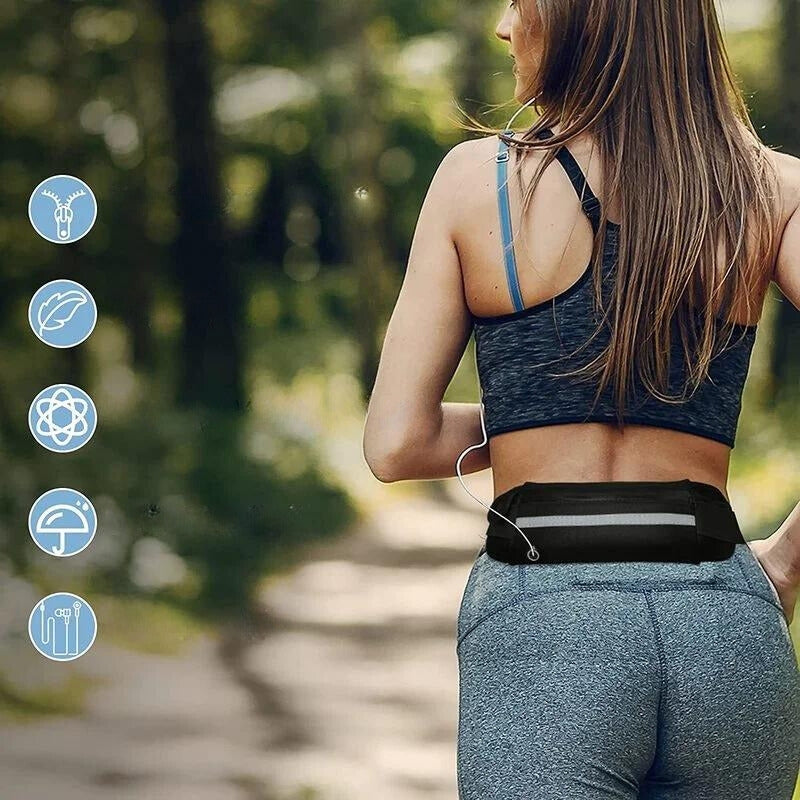
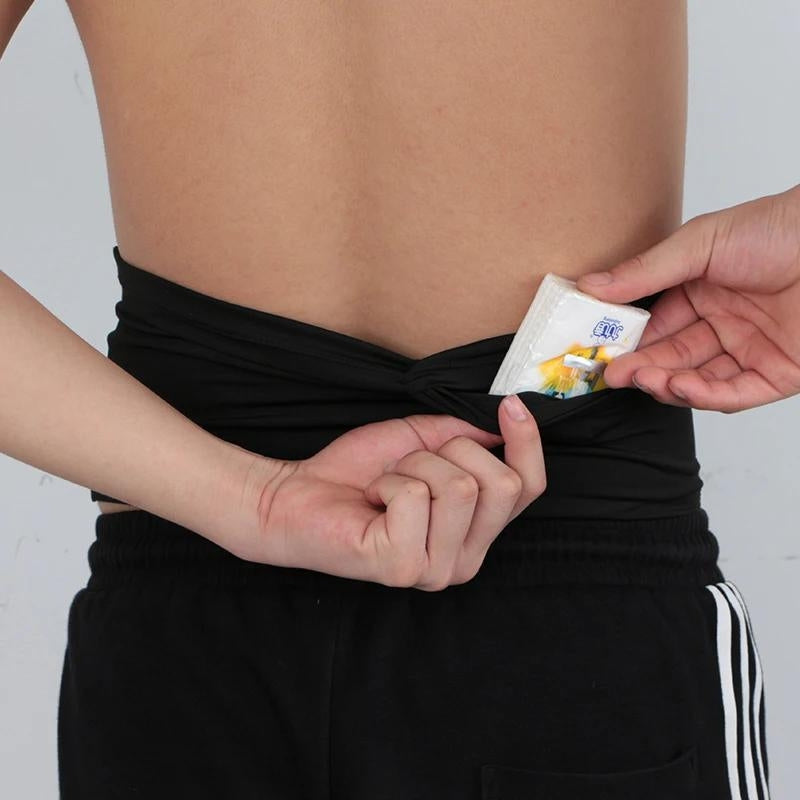
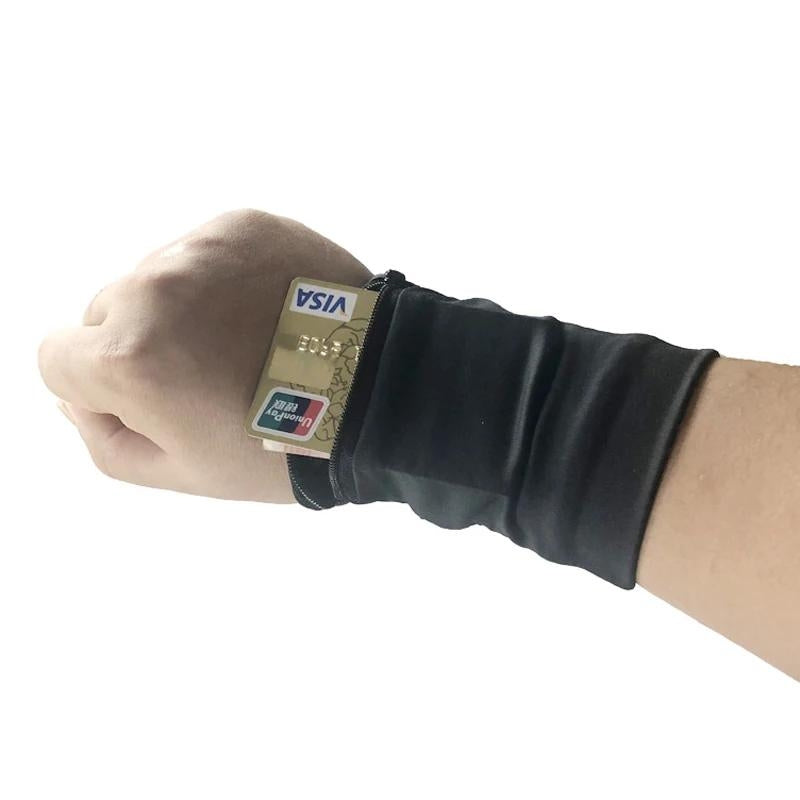
Three ways to keep your money on you without anyone noticing: the classic anti-theft belt, its most discreet version, and a large-volume model to also carry your documents. Find all our models in the travel belts and secret pouches collection:


Why Rethink Where to Store Your Money While Travelling
A professional pickpocket doesn't search randomly: they target back pockets, backpacks worn on the back, and bags left open on a café chair. Thieves look for money precisely where most tourists store it by reflex: wallet in pocket, cash in the outer pocket of the bag. The solution isn't to carry more money in one ultra-secure place, but to distribute: some on you, some in a discreet spot in your luggage, and never expose all your cash by taking out your wallet in public.
On You: The Safest Hiding Spot
Carrying your money directly on you, against your skin and under your clothes, remains the most reliable method: a thief can't access a belt slipped under trousers without you noticing immediately. It's also the simplest answer to the question where to put money when flying: kept on you, it passes through security without ever leaving your body, unlike a bag placed on the scanner belt.

Three criteria distinguish a good money belt: discretion under clothing (a thin material that doesn't create a visible bulge), the number of compartments (one for notes, several if you also want to slip in a passport and card), and comfort over time — a belt that scratches or slips is quickly forgotten in the suitcase. Between a classic model, an ultra-thin almost invisible version, or a format that also accommodates your documents, the choice mainly depends on what you plan to store in it.
In Your Luggage: Alternative Hiding Spots
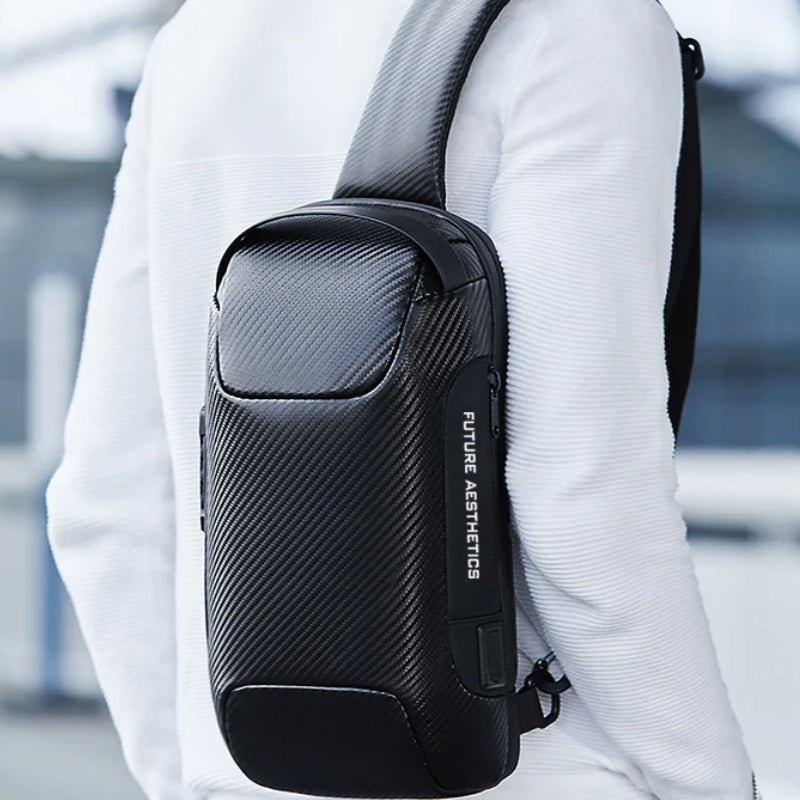
Keeping a small reserve elsewhere than on you has its benefits: in case of losing the belt or forgetting it in a room, not everything is in the same place. A secret pouch sewn into a bag or slipped into a wash bag goes unnoticed among everyday items; for men, a chest bag worn closed at the front offers the same level of security as a belt, with a bit more space for a phone or keys.

The rule remains the same as in luggage: never all your cash in one place, and never in the most accessible outer pocket of a backpack worn on the back — that's precisely where thieves look first in crowded places. Also, consider varying the locations within the luggage itself: a closed inner pocket with a zip is always preferable to the easiest-to-access front pocket, and slipping the reserve under folded clothes makes it almost invisible even if someone quickly searches the bag.

-30%25,13 € 35,90 €
Pay in 4× 6,28 € interest-free with Shop Pay
For men who prefer to avoid the belt, the chest bag serves exactly the same purpose: worn in front, with the closure under your hand, it's as difficult to steal as a money belt, while remaining practical to open for payment without half-undressing. It's also the option to choose for those already travelling with a backpack and who don't want to add a belt on top.

-30%84,63 € 120,90 €
Pay in 4× 21,16 € interest-free with Shop Pay
Our Tips to Never Lose Everything at Once
- Distribute: some on you (belt or pouch), some in a discreet spot in your luggage, never all in one place.
- Keep a backup card: a second bank card or a bit of reserve cash stored separately from your main wallet prevents a dry spell in case of theft.
- Photocopy your documents: a photo or copy of your passport and cards, kept separately, greatly speeds up procedures in case of loss or theft — for the official procedure, head to the lost or stolen passport abroad page of the Ministry of the Interior.
- Stay discreet at the ATM: conceal your cash immediately after withdrawing from the ATM, without counting your notes in the street.
- Think about your luggage too: a lock on your suitcase doesn't protect your money on you, but usefully complements vigilance on the belongings side — our guide should you put a lock on your suitcase answers the question.
- Budget generously: having a bit more than the bare minimum distributed in several places avoids unpleasant surprises — our article how to travel cheaply helps calculate the right amount without breaking the bank.
Frequently Asked Questions
How to keep money safe? By distributing it: some on you in a discreet belt or pouch, some stored separately in your luggage, never all in one place or visible in public.
How to carry cash on a plane? No limit applies on the plane itself for domestic flights within the EU, but some destinations require a declaration beyond a certain amount. A money belt worn under clothing passes through security without ever leaving your body.
Where to put money when flying? On you rather than in a carry-on placed on the scanner belt or in the overhead compartment: a belt or pouch worn under clothing remains the safest choice throughout the journey.
Where do thieves look for money? First in back trouser pockets, outer backpack pockets, and bags left unattended: the most accessible places are also the first searched in crowded areas (transport, markets, queues).
How much cash can you carry on a plane? Within the European Union, no declaration is required for personal use. For an international flight outside the EU, the rule varies depending on the destination country: check before you travel if you plan to carry a significant amount.
Does the scanner detect money? The security scanner can spot a wad of notes in a bag if it forms an unusually dense mass, but it doesn't flag it as a prohibited item. Carried on you under clothing, cash poses no problem at security checks.